
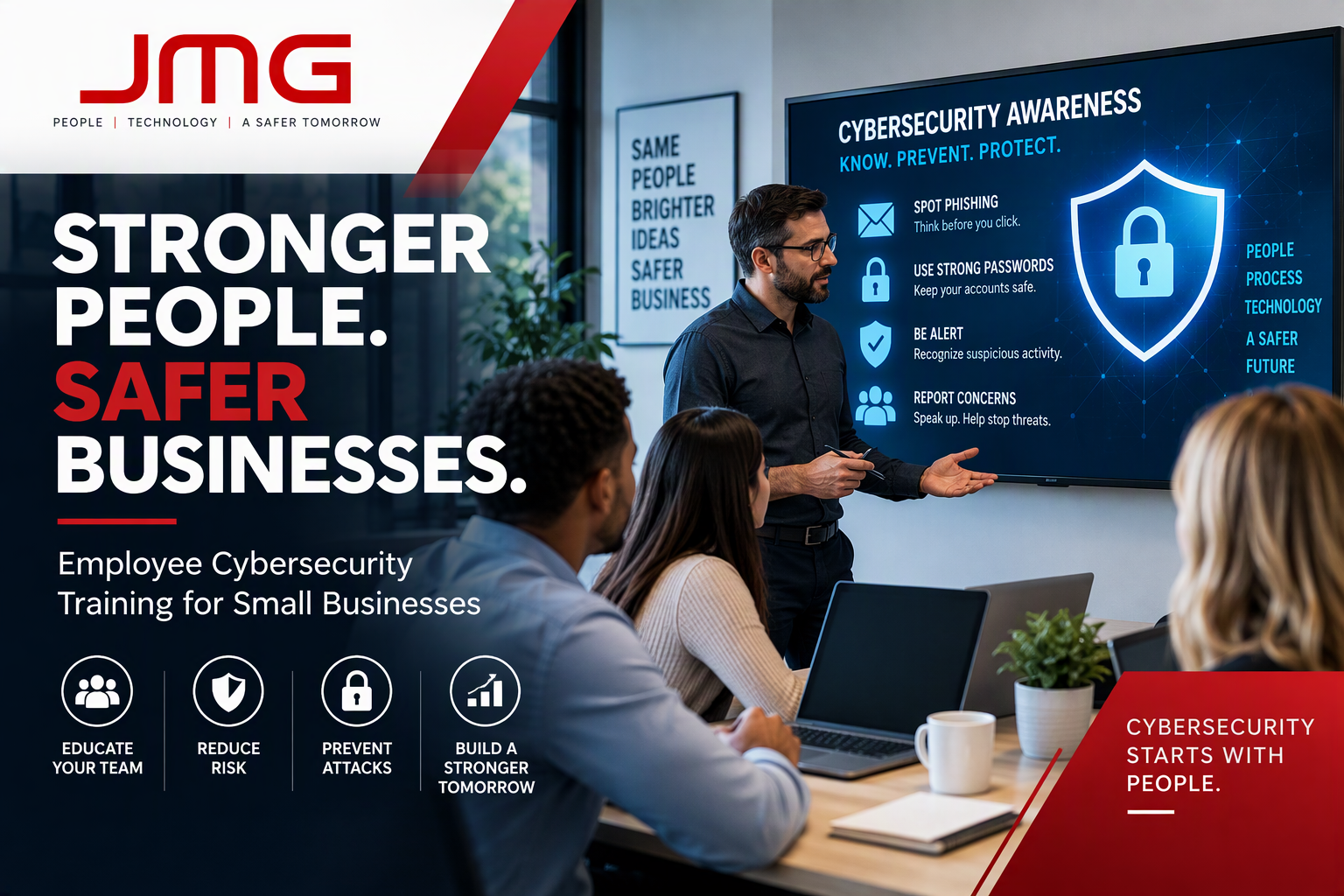
The Biggest Cybersecurity Risk Isn’t Technology
When most business owners think about cybersecurity, they picture firewalls, antivirus software, and sophisticated security tools. While technology plays an important role, the reality is that many security incidents start with a simple human mistake.
A single click on a malicious link, an employee using a weak password, or an unsuspecting team member responding to a fraudulent email can create serious consequences for an organization. Even companies that invest in security software remain vulnerable when cybersecurity awareness is not part of their culture.
For small and mid-sized businesses, employee cybersecurity training is often one of the most effective and affordable ways to reduce risk.
Why Cybercriminals Target Employees
Cybercriminals know that people are often easier to exploit than technology. Rather than attempting to break through complex security systems, attackers frequently use tactics designed to trick employees into giving away information or granting access.
Common examples include:
- Phishing emails that appear to come from trusted organizations
- Fake invoices requesting payment changes
- Fraudulent login pages designed to steal passwords
- Social engineering phone calls
- Malicious attachments disguised as legitimate documents
These attacks succeed because they rely on human behavior rather than technical vulnerabilities.
The Cost of Human Error
A cybersecurity incident can result in far more than temporary inconvenience.
Businesses may face:
- Financial losses
- Data breaches
- Operational downtime
- Reputation damage
- Regulatory or compliance concerns
- Lost customer trust
For smaller organizations, even a single incident can create significant disruption. Prevention is often less expensive than recovery.
What Effective Security Awareness Training Covers
Many organizations provide cybersecurity training once during onboarding and never revisit the topic. Unfortunately, cyber threats continually evolve, making ongoing education essential.
A comprehensive training program should include:
Password Security
Employees should understand how to create strong, unique passwords and why password reuse creates unnecessary risk. Organizations should also encourage password managers and multi-factor authentication whenever possible.
Phishing Awareness
Team members need practical examples of suspicious emails, malicious links, and fake websites. Regular reminders help employees identify warning signs before clicking.
Safe Remote Work Practices
With remote and hybrid work becoming common, employees should understand how to secure home networks, use approved devices, and avoid risky public Wi-Fi connections.
Data Protection
Staff should know how sensitive information should be stored, shared, transmitted, and disposed of according to company policy.
Incident Reporting
Employees must know exactly what to do if they suspect suspicious activity. Rapid reporting often prevents minor issues from becoming major security incidents.
Building a Security-First Culture
Technology alone cannot create a secure organization. The most resilient businesses develop a culture in which cybersecurity is everyone’s responsibility.
Leaders can reinforce this culture by:
- Discussing cybersecurity regularly
- Sharing examples of emerging threats
- Encouraging reporting without fear of blame
- Providing refresher training throughout the year
- Recognizing employees who demonstrate good security practices
When employees feel engaged rather than punished, security awareness becomes part of daily operations.
Signs Your Business Needs Additional Training
Many organizations assume their employees already understand cybersecurity. However, the following warning signs may indicate additional training is needed:
- Frequent clicks on suspicious emails
- Password-sharing among employees
- Use of personal devices for sensitive work without safeguards
- Inconsistent security practices between departments
- Lack of knowledge about reporting procedures
- Increasing cybersecurity concerns from clients or vendors
If any of these issues sound familiar, additional education may significantly reduce your risk.
Cybersecurity Training Is an Investment, Not an Expense
Business leaders often evaluate cybersecurity investments by asking what they cost. A better question is what a security incident could cost the organization.
Employee awareness training delivers value by reducing preventable mistakes, strengthening security posture, improving compliance efforts, and helping protect customer trust. Combined with strong security technology and expert guidance, informed employees become one of the organization’s most important layers of defense.
Final Thoughts
Cybersecurity is no longer solely an IT issue. Every employee interacts with emails, applications, customer information, and business systems that may be targeted by cybercriminals.
Organizations that prioritize continuous cybersecurity awareness training put themselves in a stronger position to prevent attacks, minimize risk, and respond effectively when threats emerge. In today’s environment, an educated workforce may be one of the most powerful cybersecurity tools available.
Need Help Strengthening Your Cybersecurity Program?
JMG Services helps organizations identify risks, improve security practices, and build practical cybersecurity strategies that support long-term business growth. Contact our team to learn how security assessments, employee training, and managed cybersecurity services can help protect your business.
Related Posts
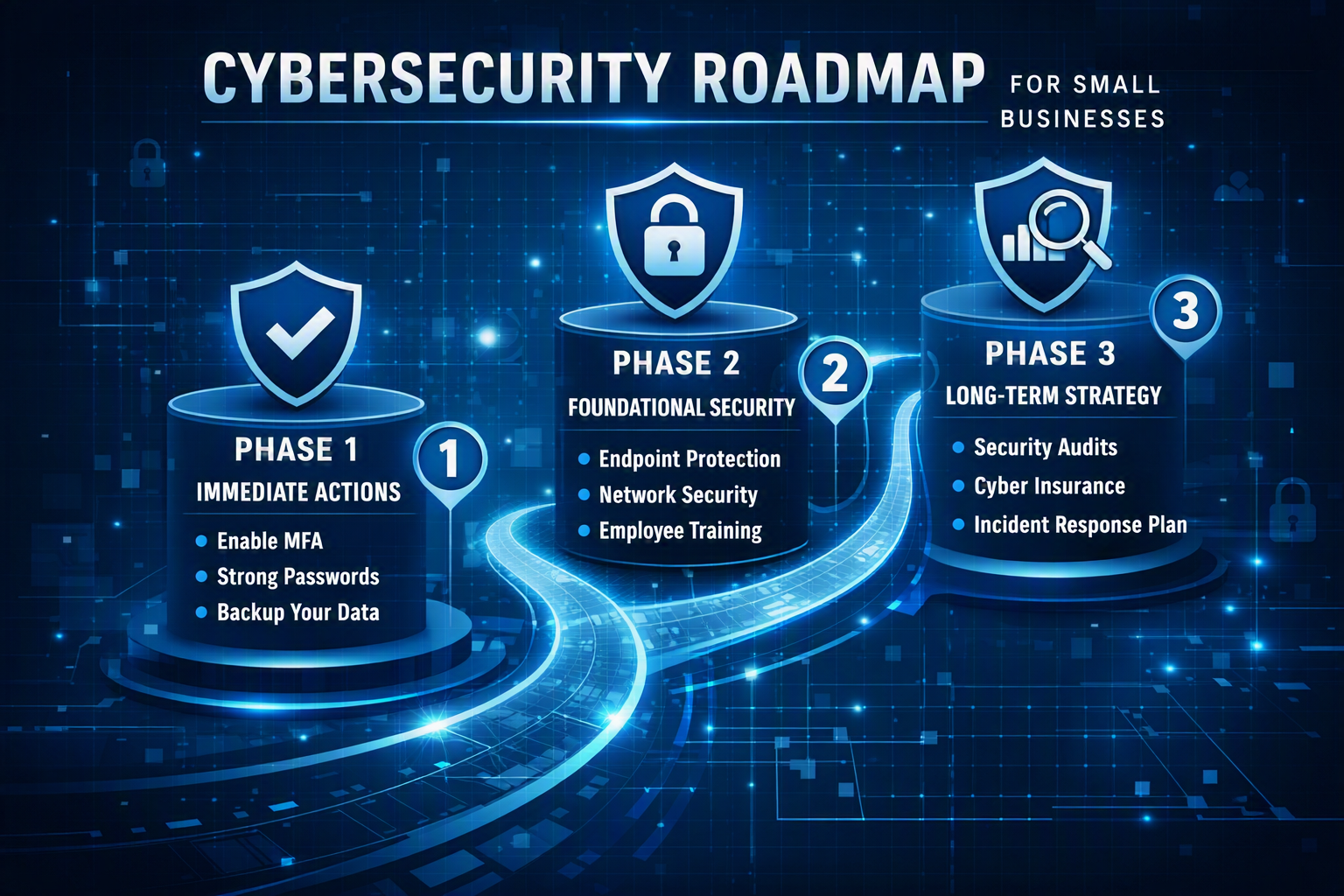 A Simple Cybersecurity Roadmap for Small Businesses: What to Do First, Next, and Later
 How Much Should a Business Spend on Cybersecurity? A Practical Budgeting Guide